Adivasi Farmers in Madhya Pradesh Struggle as Land Records Disappear
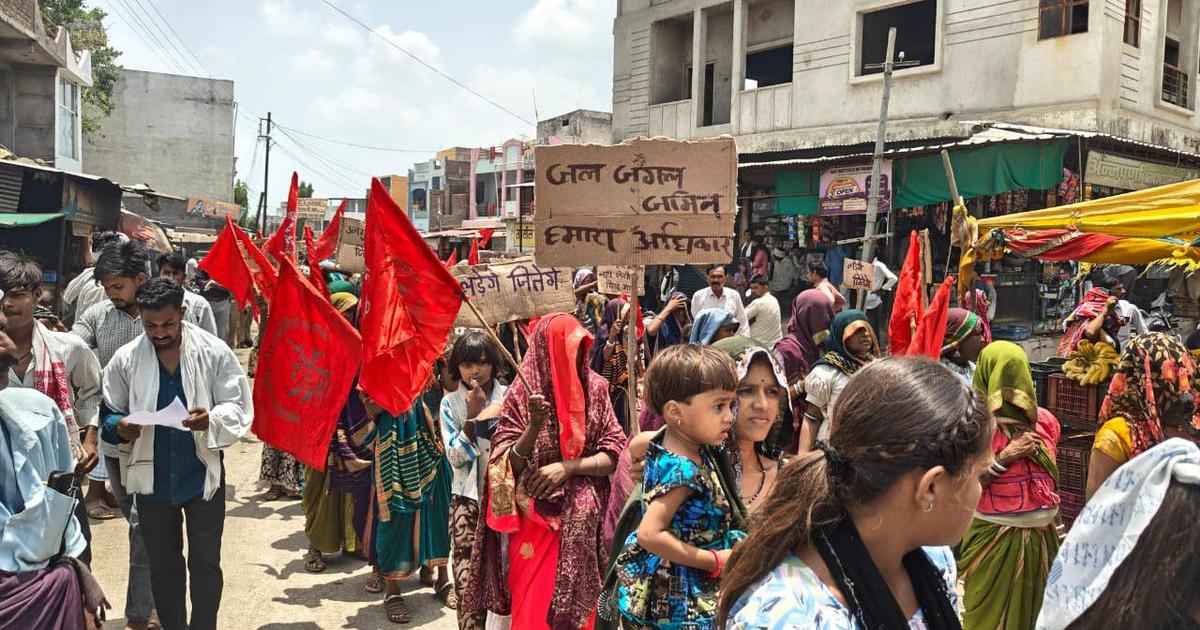
In a disheartening turn of events, Adivasi farmers in Dagadkhedi village, Madhya Pradesh, are grappling with a bewildering issue: their land, once clearly documented, has seemingly vanished from the digital records maintained by the state government. For farmers like 80-year-old Akla Chamar, this is not just a bureaucratic glitch; it threatens their very livelihoods and the sense of security that land ownership provides.
Akla has been the proud owner of 2.23 hectares in Dagadkhedi for over two decades. He carries with him critical government documents, including a land rights booklet issued in 2001 specifically for Adivasi farmers, which acknowledges his status as the "bhu-swami" or land owner. This booklet, measuring a mere 4x6 inches, bears the signature of the local tehsildar and documents the cooperative bank loans Akla has taken against his land, illustrating a long-standing relationship between the farmer and the government.
However, when Akla attempts to verify his ownership on the MP Bhulekh land records portal, he is met with frustration — his plot number is nowhere to be found. The online platform, touted as a tool for transparency and accessibility, allows users to search land records by various parameters, including district, tehsil, and owner’s name, yet Akla's details are conspicuously absent. He is not alone in this struggle; approximately 40 other Adivasi families in the village, including members of the Barela and Bhil communities, are facing similar dilemmas.
This situation raises significant concerns about the reliability of digital land records and the protection of land rights for marginalized communities in India. The Adivasi farmers, who have cultivated these lands for generations, rely on these records to secure loans, access government benefits, and defend against encroachments. The disappearance of their land records not only jeopardizes their financial stability but also undermines their historical ties to the land.
Local activists and community leaders express alarm over this issue, highlighting the broader implications for land rights among Adivasi populations across the country. They argue that the digitalization of land records, while aimed at enhancing transparency, must be implemented with careful consideration of the existing rights and historical claims of indigenous communities. Adequate measures should be taken to ensure that such communities are not left vulnerable to the whims of a malfunctioning system.
As this predicament unfolds in Dagadkhedi, it serves as a reminder of the urgent need for systemic reforms to protect the rights of marginalized farmers. With increased awareness and advocacy, hopes remain that the government will address these discrepancies in land records, ensuring that those who have been tilling the soil for decades are not rendered invisible in the digital age.