Maharashtra Delays Farm Loan Waiver Implementation, Eligible Farmers to Start Receiving Benefits from July 5
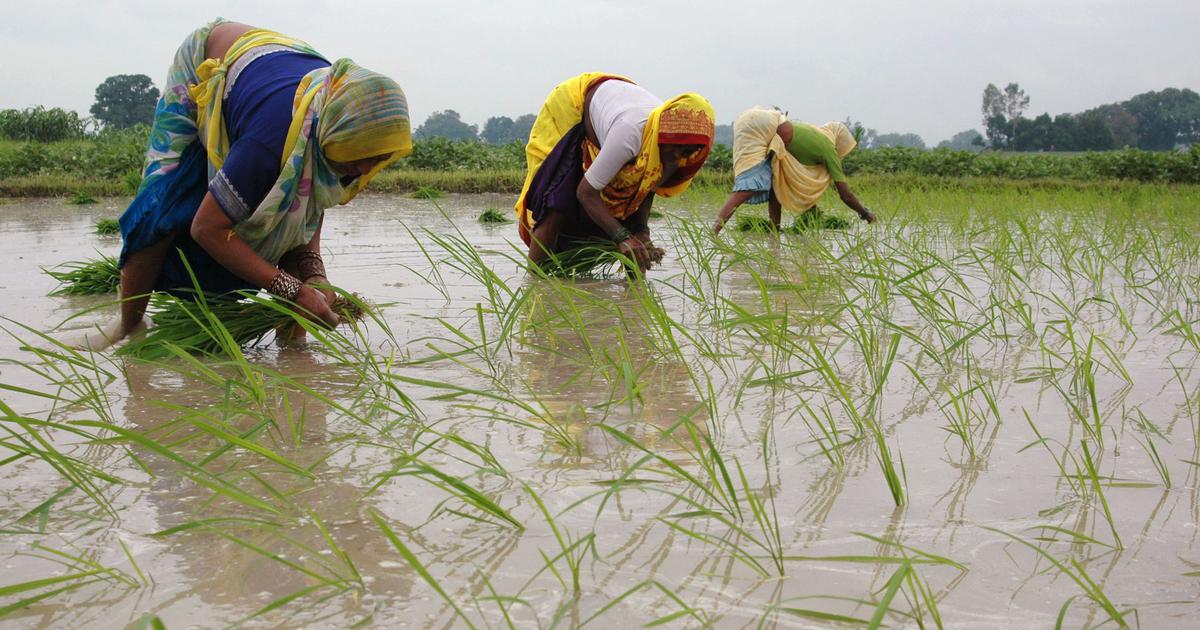
Maharashtra's government has officially announced that it will not meet the June 30 deadline for the rollout of its much-anticipated farm loan waiver scheme. This development was confirmed by State Agriculture Minister Dattatray Bharane during a session in the Assembly. The scheme, named after the revered historical figure Punyashlok Ahilyadevi Holkar, aims to alleviate the financial burdens of farmers across the state.
Minister Bharane informed that the disbursement of the loan waiver funds to eligible farmers will commence on July 5. The delay is attributed to the necessity of securing financial provisions through supplementary demands, which require approval from the legislative assembly and, subsequently, the governor's assent. Bharane emphasized the procedural nature of this delay, stating, “After the supplementary demands are approved by the legislature, they will require the governor’s assent.” Only after receiving the governor's signature will the funds be transferred to the farmers' accounts.
One of the significant points raised by Bharane was that farmers will not be excluded from the scheme due to the lack of an Agristack Farmer ID. This ID serves as a unique identifier for farmers, enabling them to access various benefits, including crop insurance and agricultural loans. This assurance aims to allay concerns among farmers who may not have this identification number but are still eligible for the loan waiver.
During the Assembly discussions, several MLAs voiced their concerns regarding the strict eligibility criteria of the loan waiver scheme, urging the government to consider easing some requirements. In response, Minister Bharane expressed the government's openness to reevaluating these conditions. He referenced Chief Minister Devendra Fadnavis's earlier statement about forming a sub-committee to address these issues, indicating a willingness to modify the scheme for the benefit of more farmers.
This farm loan waiver initiative is crucial, especially in the current economic climate, as many farmers are grappling with the repercussions of the agricultural crisis exacerbated by climatic challenges and market fluctuations. With the state's agricultural policy under scrutiny, the timely execution of such welfare schemes is essential for restoring farmers' confidence and ensuring their livelihood.