India's Yoga Diplomacy: A Balancing Act Between Peace and Political Alliances
In recent years, India has increasingly leveraged yoga as a tool for cultural diplomacy, showcasing the ancient practice on global platforms. Since 2014, the Indian government has actively promoted yoga, positioning it as a significant element of its soft power strategy. Prime Minister Narendra Modi has championed yoga as not merely a set of physical exercises, but as a holistic lifestyle that fosters mental clarity and emotional stability. Modi once remarked, "Yoga is truly universal... a way to live in harmony with self, with others and with nature." This perspective frames yoga as a conduit for promoting India's ethos of peace and wellness.
The government’s Ministry of Ayush, responsible for various traditional health practices, has been at the forefront of this initiative, focusing primarily on the West to cultivate a perception of India as a peaceful and harmonious nation. However, this endeavor raises questions about the implications of such diplomacy, especially given the rising authoritarianism and intolerance towards minorities observed during Modi's administration. Critics argue that the promotion of yoga often serves to mask the underlying tensions and issues affecting India's socio-political landscape.
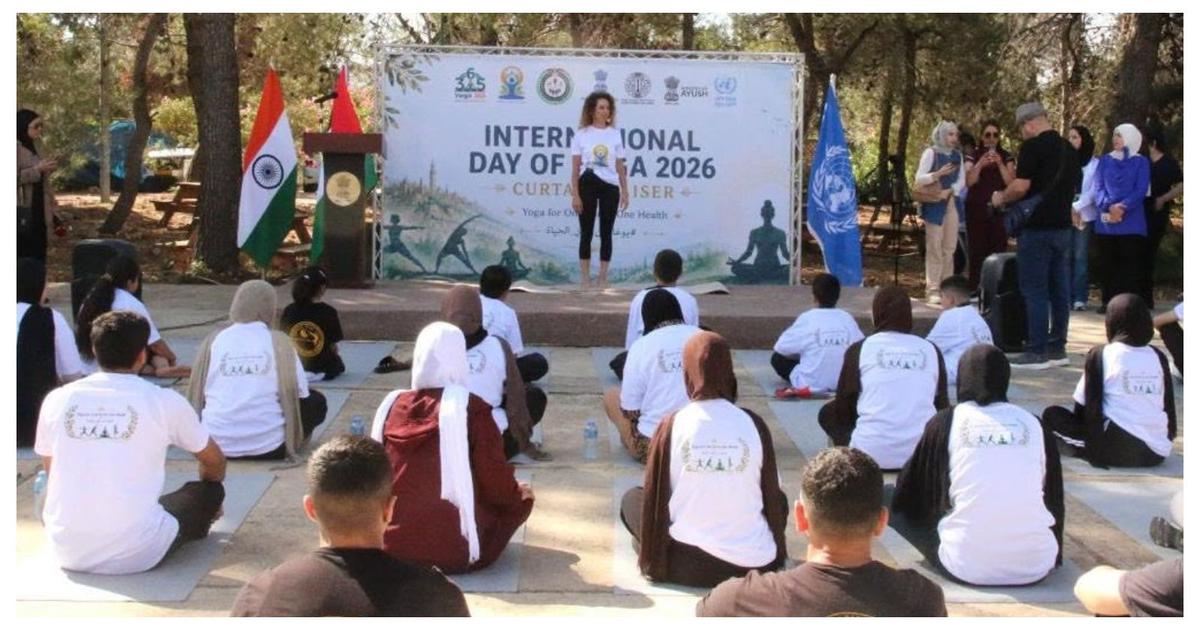
One of the most contentious aspects of India's yoga diplomacy emerges in its relationship with Palestine. As India attempts to present itself as a neutral player advocating for peace in the region, the use of yoga could be seen as an attempt to distract from its growing ties with Israel. This juxtaposition can create a complex narrative, especially in light of the ongoing humanitarian crisis in Gaza. For many observers, the timing and context of yoga-related initiatives in Palestine raise concerns about India's commitment to advocating for the rights of the Palestinian people while nurturing its diplomatic relations with Israel.
The criticism surrounding this diplomatic strategy is not unfounded. In a tumultuous environment where acts of violence and intolerance are on the rise, the promotion of yoga is perceived by some as an effort to divert attention from pressing domestic issues. As Anusha Lakshmi pointed out in 2020, Modi's administration has utilized yoga to obscure the increasing violence and intolerance present within the country. This dissonance between promoting peace through yoga while simultaneously navigating complex international relationships warrants a closer examination of India's diplomatic motives.
In conclusion, while yoga remains a symbol of India's rich cultural heritage and a tool for promoting well-being, its application in international diplomacy, particularly in sensitive regions like Palestine, invites scrutiny. The challenge for India lies in harmonizing its cultural outreach with its political realities, ensuring that yoga does not become merely a facade for deeper political implications. As this narrative unfolds, the world watches closely, weighing India’s actions against its proclaimed values of peace and harmony.