Indian Entrepreneurs Embrace China's Tech Tourism Amid Global Competition
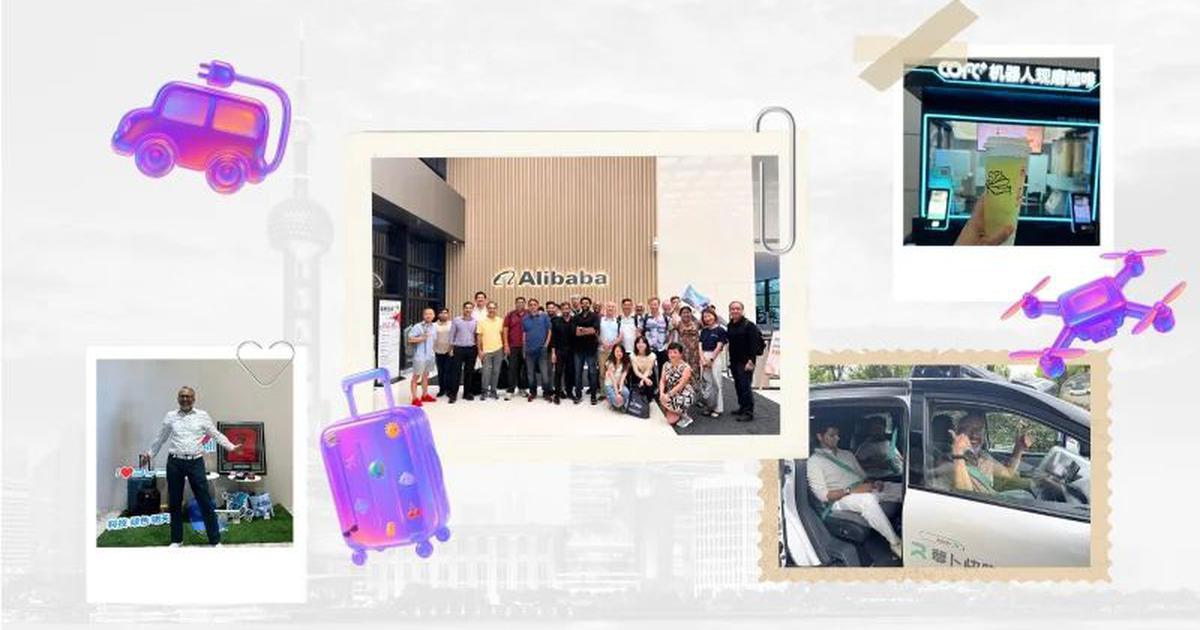
In an exciting shift for aspiring entrepreneurs and tech enthusiasts, India emerges as the second-largest source of visitors flocking to China's burgeoning tech tourism sector. Once, the aspirational route for tech founders, investors, and engineers led directly to Silicon Valley. However, a new wave of innovation has shifted this focus toward Chinese cities like Shanghai, Hangzhou, and Shenzhen, now buzzing with futuristic technology and investment opportunities.
This phenomenon marks the rise of curated tours in China, where participants are willing to spend up to $9,000 for exclusive access to electric vehicle manufacturing plants, cutting-edge robotaxi services, and companies pioneering artificial intelligence and robotics. The motivation behind this trend is partially fueled by viral content showcasing China's advancements, such as dancing humanoid robots and the latest in flying vehicle technology. Many are beginning to perceive that China might be outpacing the West in significant technological breakthroughs, leading to a growing interest in firsthand experiences.
As the competition between the U.S. and China escalates in the tech realm, these tours are not just about sightseeing; they represent a strategic effort to uncover the next wave of investment prospects. Shaoyu Yuan, an adjunct professor at New York University specializing in China’s influence, noted the urgency driving this trend: “There’s a fear-of-missing-out dynamic at play. China's tech ecosystem has reached a level of sophistication that puts those who don’t experience it firsthand at a distinct informational disadvantage compared to their competitors.”
For Indian entrepreneurs, the implications are significant. Engaging directly with Chinese tech firms can provide insights that are unattainable through mere articles or reports. As Yuan aptly put it, understanding BYD's vertical integration is one thing; walking through its operations gives a far richer, more nuanced perspective. This on-the-ground knowledge can be a game-changer for startups and investors alike, elucidating practices that could be successfully adapted back home.
The allure of China’s tech landscape is further magnified by the country's vast market potential and its rapid pace of innovation. Indian startups, increasingly aiming to compete on a global scale, are recognizing the importance of exploring diverse ecosystems. As they navigate their paths in a competitive global market, exposure to China's tech advancements could provide critical insights that help drive their strategic decisions in product development and business models.
In conclusion, as the landscape of tech entrepreneurship continues to evolve, Indian entrepreneurs are carving out new pathways by immersing themselves in China’s dynamic technological environment. This trend not only signifies a shift in global tech tourism but also represents India's responsive approach to leveraging international opportunities for growth and innovation.