India Braces for Below-Normal July Rainfall Amidst 40% Deficit from June, Warns IMD
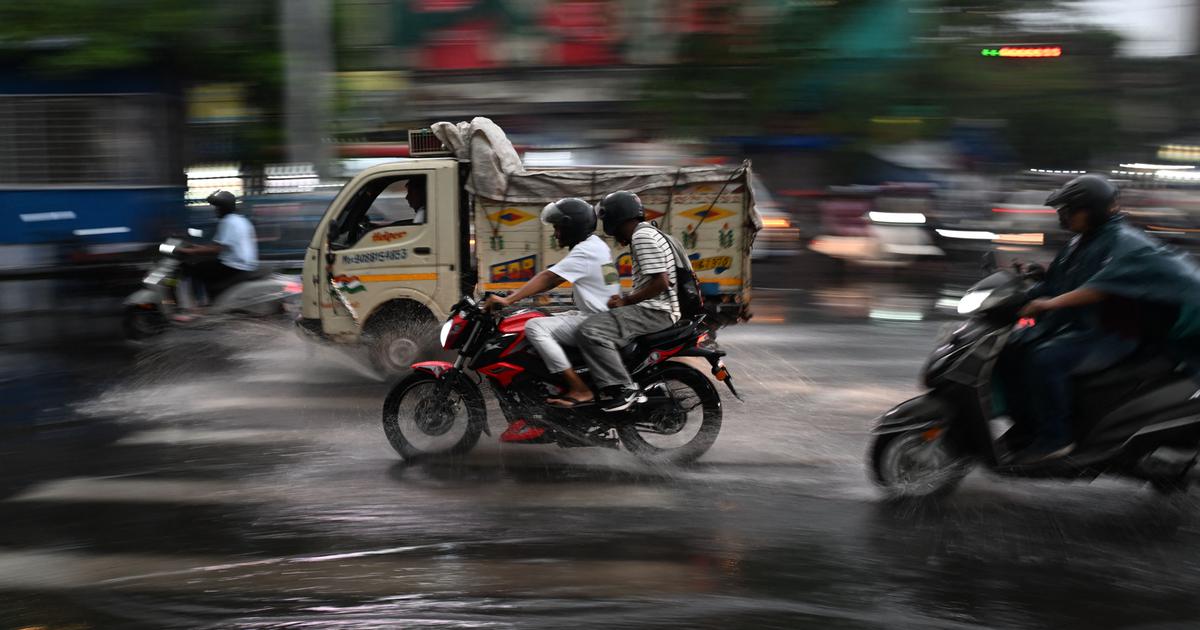
The India Meteorological Department (IMD) has issued a concerning forecast for July, predicting a significant shortfall in rainfall across the country. Following a challenging June that saw a 40% deficit in precipitation, the IMD suggests that India is poised to receive less than 94% of its average rainfall for the month. This prediction is particularly alarming, considering the long-term average rainfall for July, derived from data spanning 1971 to 2020, stands at 280.4 mm.
While the weather department anticipates below-normal rainfall for the majority of the nation, certain regions—including parts of northwestern and northeastern India, as well as east-central India and the eastern peninsular region—may experience normal to above-normal precipitation. The IMD's forecast highlights that the initial week to ten days of July could offer some respite with promising rainfall; however, the outlook for the latter half of the month appears less optimistic, a period that typically accounts for roughly one-third of the annual southwest monsoon rainfall.
Experts warn that insufficient rainfall could lead to a myriad of challenges, particularly for agriculture, which relies heavily on the monsoon for sustaining crops. The IMD has cautioned that below-average rainfall might strain water resources, hinder hydropower generation, and threaten the stability of ecosystems. Furthermore, these conditions could elevate the risk of heat stress across various regions, exacerbating existing pressures on available water supplies.
The looming prospect of elevated maximum temperatures throughout July adds to the concern. Most areas in India are predicted to experience higher-than-normal temperatures, with only a few isolated pockets in west-central India expected to see normal or below-normal readings. This combination of below-normal rainfall and elevated temperatures could spell trouble for farmers, water management authorities, and communities dependent on consistent weather patterns for their livelihoods.
As the country gears up for what should be a crucial monsoon month, the implications of the IMD's forecast could resonate across sectors—from agriculture to energy production and even public health. In a nation where a significant portion of the population relies on agriculture, the economic ramifications of such a rainfall deficit could be severe. Stakeholders are urged to prepare for potential shortages and to implement strategies that could mitigate the adverse effects of this weather anomaly.