Controversy Erupts in Taiwan Over Billboard Featuring Indian Flag Amidst City Council Elections
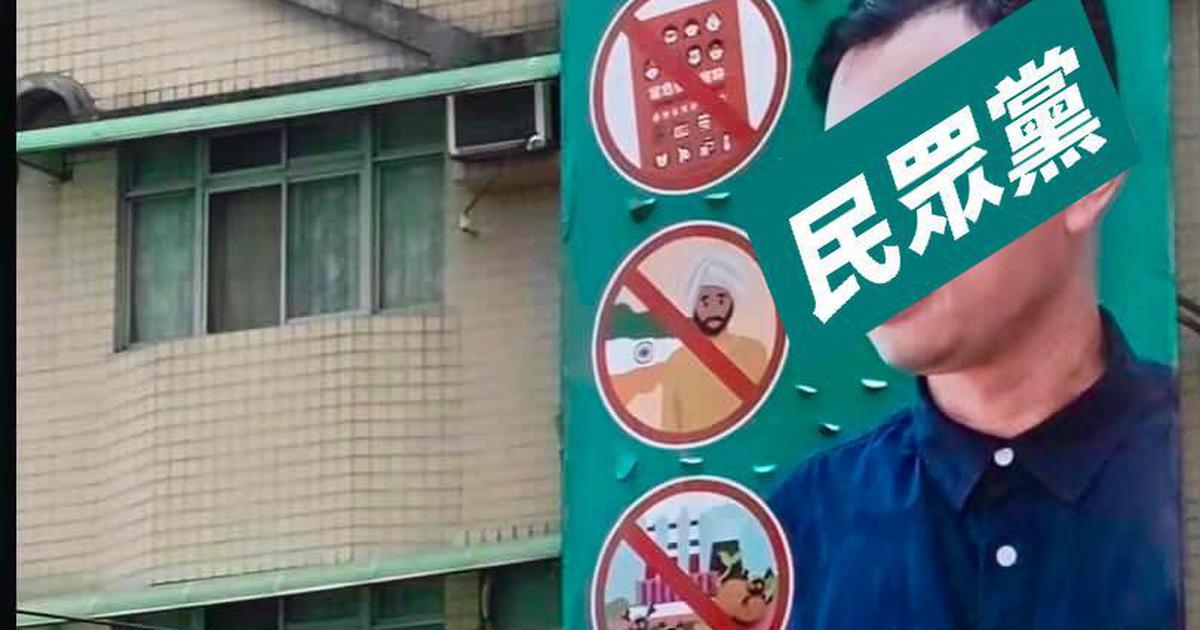
A recent political campaign in Taiwan has sparked significant backlash on social media, following the controversial display of a billboard that many have interpreted as racially insensitive towards Indians. The billboard, which features the Indian flag alongside an illustration of a turbaned man, was erected by Lee Hung-yi, an independent candidate running for a seat on the city council in the Kaohsiung municipality.
Lee, who serves as the ward chief of Gangming in Kaohsiung’s Siaogang district, has been associated with the Taiwan People’s Party but is contesting the upcoming elections set for November as an independent. The imagery used in the billboard, particularly the depiction of the Indian flag crossed out with a ‘no’ symbol, has drawn sharp criticism for its overtly negative portrayal of a community that has increasingly become a part of Taiwan's multicultural fabric.
The billboard has raised concerns not only for its explicit message but also for what it suggests about societal attitudes towards Indian nationals in Taiwan. Reports indicate that sentiments against Indian migrants have been simmering, with some political candidates even proposing to restrict immigration from India. This divisive issue has left many Indians residing in Taiwan feeling marginalized and disrespected.
An Indian expatriate, who has been living in Taiwan for several years, expressed their dismay to the Taipei Times, stating that the billboard exemplifies “blatant and direct racial discrimination.” The individual articulated a distinction between differing political views on immigration policy and the harmful manner in which these views are sometimes communicated. They emphasized that while it is acceptable to hold differing opinions, expressing such views in a derogatory manner is unacceptable.
The incident underscores a larger conversation about race and representation in Taiwan, particularly as the country grapples with its evolving identity in the face of globalization. As more Indians and other foreigners make Taiwan their home, the need for understanding and mutual respect becomes increasingly critical. The electoral process often amplifies existing prejudices, and it is essential for candidates to engage thoughtfully with all constituents, regardless of their national origin.